Web Design
Web Design

Status
IN PROGRESS
Timeline
Oct 2023 - Present
Platform
Web Design
My Role
- Project Lead
- Web Designer
- UX Designer
Objective
Address the decline in R&D project flagging rates and boost engagement by creating an accessible and informative resource platform.
Challenge
Our challenge is to increase engagement and encourage the flagging of R&D projects within the organization.
Scope
- Create an intuitive and user-friendly intranet site.
- Organize qualified projects by themes and disciplines.
- Provide easy access to relevant resources.
- Promote understanding of the R&D Tax Incentive scheme.
- Implement user feedback mechanisms for continuous improvement.
Desired Outcomes
- Increase in Flagged Projects: The primary goal is to see a significant rise in the number of R&D projects flagged for review within the organization.
- Increased Contact Form Submissions: We aim to encourage more project teams to complete contact forms, signaling their interest in exploring the R&D Tax Incentive scheme for their projects.
Approach
- Conduct user research to understand the specific needs and pain points of project teams.
- Develop an intranet site prototype with a focus on user experience.
- Populate the site with content organized around themes and disciplines.
- Promote the site and its resources within the organization.
- Monitor engagement and gather feedback for improvement.
By addressing the challenge of low engagement and improving understanding of the R&D Tax Incentive scheme, this project aims to facilitate increased project flagging and promote innovation across the business.


Research
Research was conducted utilising Microsoft Forms to survey project teams across the business, as well as informative interview sessions with key stakeholders from our R&D Ambassasdors across various business lines.
A total of 20+ team members participated in the survey, and 5 representatives of our R&D Ambassadors were interviewed. Below is a summary of the key findings and insights from this research:
Findings
- Knowledge Gap in Project Flagging Process:
- 61% of surveyed participants indicated a lack of awareness regarding the process for flagging a project for review by the innovation revenue team. This suggests a notable gap in understanding the procedural steps involved.
- Unfamiliarity with R&D Team and Representatives:
- A substantial 87% of respondents expressed unfamiliarity with the identity of our R&D team or recognized representatives within the organization. This lack of awareness raises concerns about the visibility and accessibility of the R&D function across the business.
- Limited Awareness of Intranet Page Existence:
- An overwhelming 95% of participants were unaware of the existence of the intranet page dedicated to R&D. Among those who were aware, the consensus was that the page lacks clarity on project qualification criteria and the associated processes.
- Desired Features and Content:
- R&D project examples.
- Clear guidance on criteria for project qualification.
- Streamlined methods for flagging projects for team review.
Insights
- Importance of Project Examples:
- Users emphasized the significance of project examples in aiding their understanding of qualification criteria. Clear connections between examples and the diverse disciplines of engineers are crucial to inspire confidence that they could be involved in R&D projects.
- Unclear Processes Impact Engagement:
- The lack of clarity in the current processes for flagging potential R&D projects indicates a considerable number of users who have not engaged with the R&D team for project reviews. This presents a valuable opportunity to enhance engagement, potentially leading to increased R&D claims within the organization.

Define
Problem Statement
"Project teams across the business have expressed difficulty in comprehending how the incentive scheme applies to their work, leading to a lack of resonance and decreased engagement. This challenge stems from the absence of easily accessible resources related to qualified projects that may pertain to their work, or guidance on what types of work are eligible for the incentive."
Hypothesis Statement
“We hypothesize that creating an intranet site dedicated to qualified projects, organized by key themes (e.g., sustainability) or discipline, will provide project teams with accessible and relatable examples. This will lead to greater understanding and increased engagement.”

Ideate
Recognizing the challenges identified through our research, specifically the difficulty project teams face in understanding how the incentive scheme applies to their work, the ideation process focused on creating a more user-centric and accessible intranet experience.
Challenges with Current Intranet:
The existing intranet site is overloaded with information, which users find neither useful nor easily digestible. The lack of clear relevancy and a call to action results in a disconnect, making it challenging for users to engage meaningfully.
Strategic Approach:
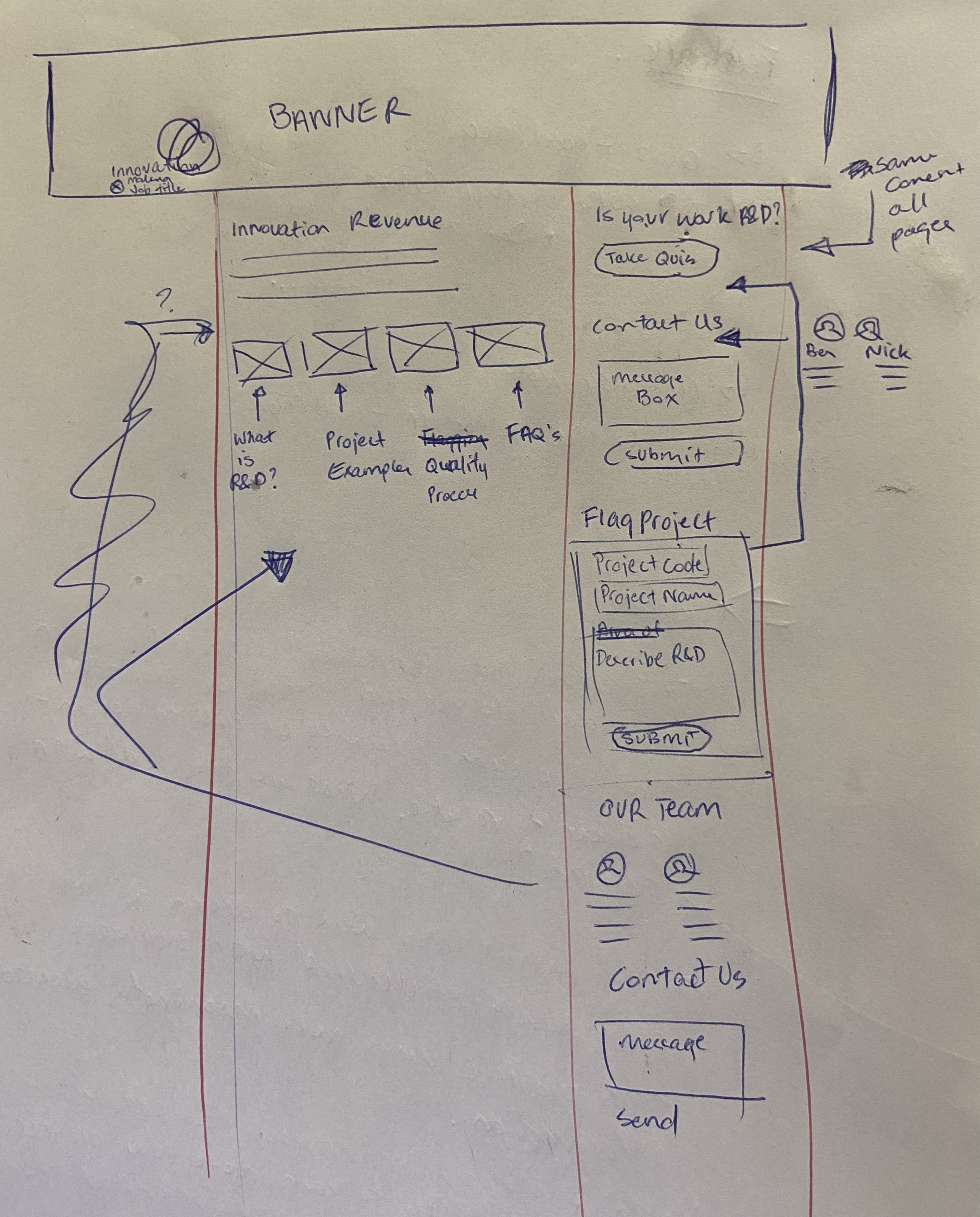
The initial concept centered around the design of a well-structured landing page, complemented by organized subpages. This approach aimed to transform the current information stack into a more meaningful and digestible format. The overarching goal was to enhance resonance, ensuring that users could easily grasp how projects qualify for the incentive scheme.
Through this thoughtful ideation and conceptual design process, we aimed to address the existing challenges, creating an intranet experience that not only informs but also actively guides and engages users in navigating the intricacies of project qualification for the incentive scheme.

Prototyping
Hi-Fidelity Interactive Design:
The transition from ideation to prototyping involved the development of a hi-fidelity interactive design that brings the conceptual vision to life. This dynamic prototype has been designed to enhance user experience and engagement, addressing the specific challenges identified in our research.
Key Features
- Interactive Landing Page:
- The landing page serves as a visually striking and interactive gateway, featuring a user-friendly interface that invites exploration. Interactive elements encourage engagement and guide users towards relevant sections.
- Dynamic Subpages:
- Each subpage is designed to dynamically present information, with interactive elements allowing users to explore in-depth details. This approach enables a layered understanding of the project qualification process.
- Self-Assessment Questionnaire:
- self-assessment questionnaire is transformed into an interactive form, providing users feedback based on certain answers whether their project might contain eligible R&D activity.
Feel free to click on the image below to give our interactive prototype a try!
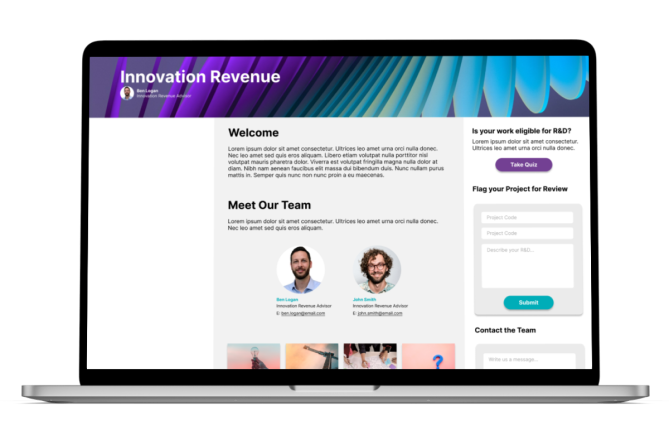
The hi-fidelity interactive design represents a significant improvement in transforming the current intranet page into a user-centric and engaging platform. By integrating these key features, the prototype aims to bridge the usability gap, providing a much more organised, intuitive, and interactive experience for project teams seeking guidance on R&D project qualification and incentives.

Next Steps
The next stage of development involves the following steps before moving on to final design:
- Review prototype design with Business Transformation team to determine whether proposed design changes are actionable
- Conduct user testing with real users to gather feedback on any observations and opportunities for improvements
- Iterate design based on feedback gathered from user testing
- Finalise design ready for handover with the development team and collaborate with developers to build intranet site and prepare for launch.

Retrospective
Throughout this journey, I've learned that user insights are the compass guiding every design decision. The integration of budgeting and goal setting resonated strongly with users, enhancing their financial management experience.
If I were to tackle this again, I'd involve users even earlier in the process to ensure their needs are deeply embedded from the start. Additionally, refining the educational aspect to bridge the gap between understanding spending and goal achievement would be a priority. Overall, this experience reaffirmed the transformative power of putting users at the heart of design.